
If you’ve spent any time in the crafting world lately, you’ve probably seen the question popping up in every Facebook group and Discord server: “Is sublimation still profitable in 2026, or is it just too crowded now?”
It’s a fair question. The world has changed a lot since the early days of home-based printing. But here is the honest truth from someone who has watched this industry evolve: Yes, it is absolutely still profitable—but the rules of the game have changed.
In 2026, you can’t just slap a generic quote on a mug and expect to retire early. The “generic” market is saturated. But the market for meaningful, high-quality, and deeply personal goods? That is exploding. People aren’t just buying products anymore; they are buying stories, memories, and a little piece of art that reflects who they are.
This guide isn’t just a list of temperatures and times. It’s a roadmap for your journey from a curious hobbyist to a thriving entrepreneur. We’re going to talk about the science, the gear, the money, and most importantly, the heart behind the hustle.
1. The Magic in the Machine: Understanding the “Why”
Before we talk about spreadsheets and shipping labels, let’s take a moment to appreciate the science. Sublimation feels like magic, but it’s actually a beautiful chemical dance.

The Molecular Bond
Think of sublimation as a permanent tattoo for your products. Unlike other methods that sit on top of the surface, sublimation ink actually becomes part of the material. When you hit that sweet spot of 385°F (196°C), the solid dye turns into a gas, and the pores of your polyester fabric or coated mug open up like a thirsty sponge.
As it cools, those pores snap shut, locking the vibrant color inside forever. This is why a sublimated shirt feels as soft as the fabric itself—because there is no “layer” on top. It won’t crack in the wash, and it won’t peel in the sun.
Why This Matters for Your Business
In 2026, customers are tired of “disposable” fashion. They want items that last. When you tell a customer that their personalized tumbler is dishwasher-safe and the design will never fade, you aren’t just selling a cup—you’re selling quality that lasts a lifetime. That trust is the foundation of a 6-figure brand.
2. Setting Up Your Creative Sanctuary: What Does It Really Cost?
One of the best things about sublimation is that you don’t need a massive warehouse to start. You can build a creative empire from a corner of your spare bedroom. But you do need to be smart about where you invest your hard-earned money.
The Realistic Startup Budget (2026 Edition)
Based on current market data from industry leaders like Coastal Business Supplies, here is what you are actually looking at to get started.
The “Dreamer” Entry-Level Setup
Perfect for testing the waters and building your first collection.
| Item | Estimated Cost |
| Printer (Epson F170 or Sawgrass SG500) | $399 – $600 |
| Heat Press (Reliable Starter) | $500 – $1,500 |
| Sublimation Paper & Ink | $30 – $60 |
| Initial Blanks (Mugs, Shirts, Ornaments) | $200 – $500 |
| Design Software (Canva or Photopea) | $0 – $30/mo |
| Total Investment | $800 – $3,000 |
The “Professional” Growth Setup
For those ready to scale and handle bulk orders with ease.
| Item | Estimated Cost |
| Printer (Epson F570 or Sawgrass SG1000) | $1,650 – $3,500 |
| Commercial Heat Press | $1,000 – $5,000 |
| Production Inventory & Workspace | $1,000+ |
| Total Investment | $2,650 – $20,000+ |
Pro Tip: Don’t let the high-end numbers scare you. Most of the successful sellers I know started with a converted Epson EcoTank. The key isn’t having the most expensive machine; it’s mastering the Epson sublimation printer settings to get professional results from a budget setup.
3. Finding Your Spark: Niche Domination with a Human Touch
The biggest mistake I see new sellers make is trying to be everything to everyone. A shop that sells custom mugs, dog bowls, phone cases, and baby onesies all at once feels like a flea market. It’s hard to build a brand when you’re spread that thin.

Where the Profit Lives in 2026
Success this year is all about differentiation. You want to be the “go-to” person for a very specific group of people.
1.The Wedding Party Experts: Don’t just sell tumblers; sell “Bridesmaid Proposal Boxes.” A single order for a wedding party is usually 8–12 items, and the margins on a personalized 20oz tumbler are fantastic.
2.The Professional Appreciation Niche: Think beyond generic “World’s Best Boss” mugs. Look at our nurse tumbler wrap designs—they target a specific community with their own “inside jokes” and symbols. That is how you build a tribe.
3.The Pet Parent Paradise: We love our pets more than ever. Custom memorial slate signs or photo-realistic pet ornaments are high-emotion purchases. People don’t haggle over price when it comes to their furry family members.
4.Corporate & B2B Orders: This is where you find predictable revenue. Schools, local coffee shops, and real estate agents need high-quality “swag” that doesn’t look cheap. A single B2B contract can pay your rent for the month.
4. The “Perfect Press” Protocol: Troubleshooting with Love
We’ve all been there—you spend an hour on a design, press it, and… it’s a ghosted, blurry mess. It’s frustrating, and it’s expensive. But every “fail” is just a lesson in disguise.
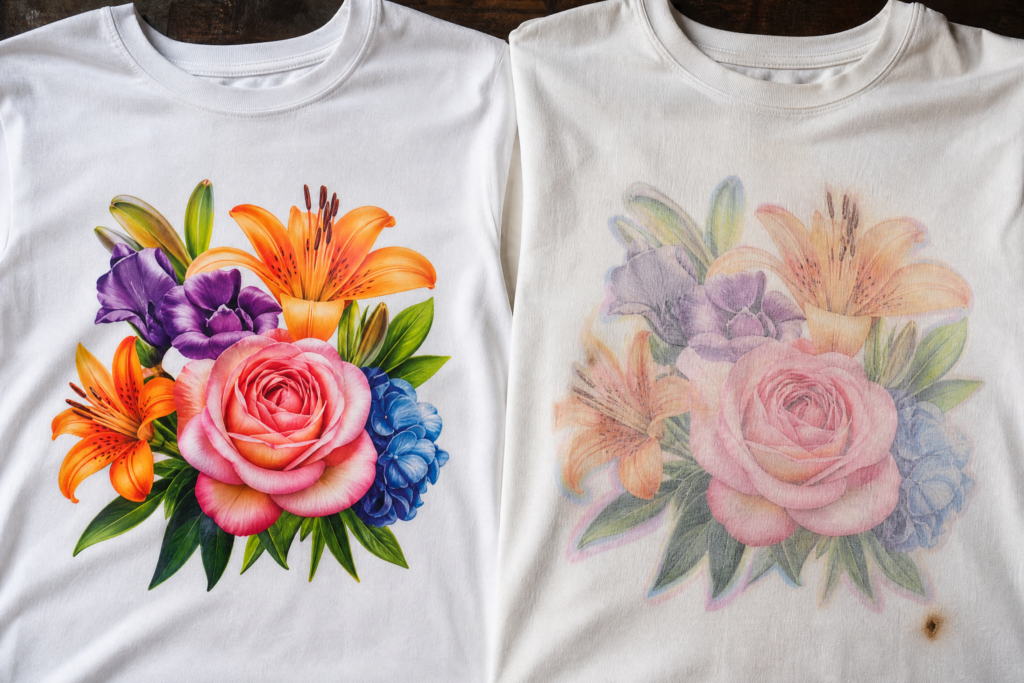
The Pro’s Diagnostic Guide
Mastering your sublimation heat press settings is a journey, not a destination.
•Faded or Dull Colors? You likely need more heat or more time. But check for moisture first! Always pre-press your fabric for 5 seconds to drive out hidden steam.
•Brown or Scorched Marks? Your press is too hot or you’re leaving it on too long. Dial back the temp by 10 degrees.
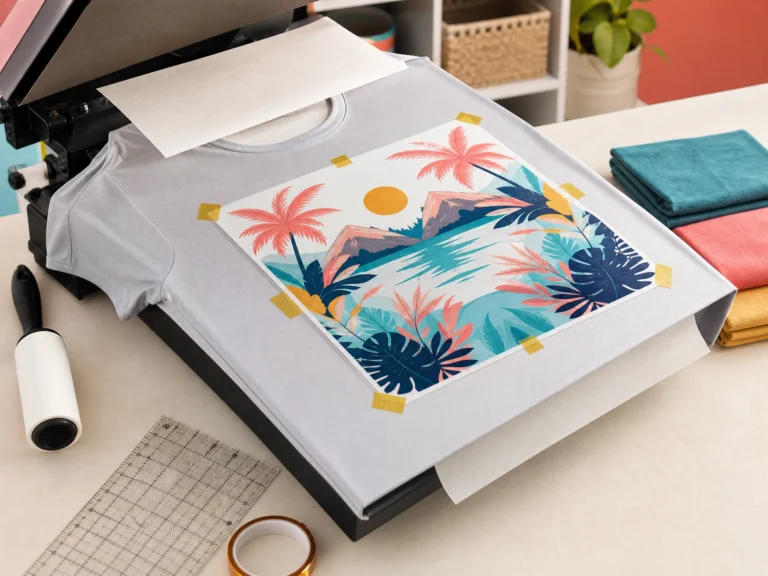
•Blurry Edges (Ghosting)? Your paper shifted. Use more heat tape or a light mist of adhesive spray. And always lift that press platen straight up!
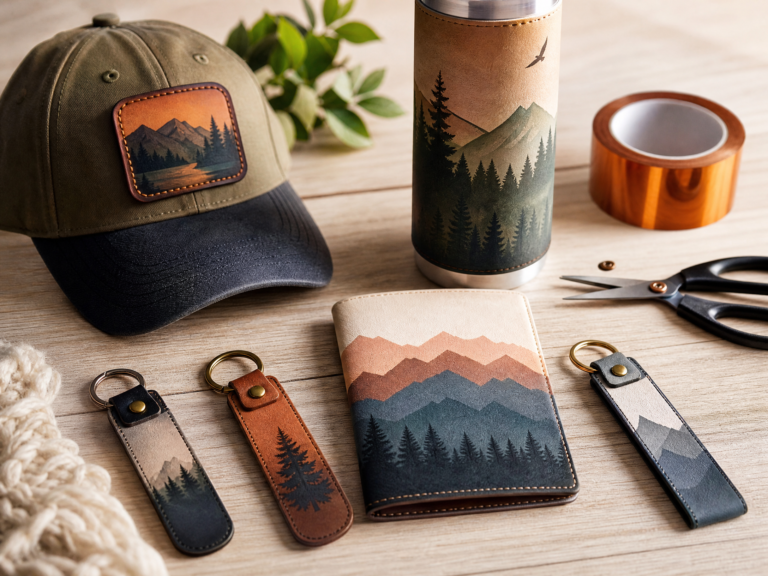
“Treat every new material, like sublimation on leather, as a science experiment. Keep a ‘Press Journal’ where you record what worked and what didn’t. Your future self will thank you.”
5. The Business of Creativity: Pricing for Real Life
Let’s talk about the part that makes most creatives uncomfortable: The Money. If you don’t price your work correctly, your “business” is just an expensive hobby. And you deserve to be paid for your talent and time.

Realistic Profit Margins (2026 Data)
Here is a look at what professional sellers are seeing in the market today.
| Product | Landed Cost (Blank + Ink + Tape) | Typical Selling Price | Net Profit Margin |
| Personalized Mug | $2.00 – $4.00 | $15 – $25 | 40% – 60% |
| Custom T-Shirt | $4.00 – $10.00 | $25 – $40 | 30% – 50% |
| Personalized Tumbler | $6.00 – $12.00 | $25 – $45 | 40% – 60% |
| Photo Panel | $5.00 – $15.00 | $25 – $75 | 50% – 70% |
Don’t Forget the “Invisible” Costs
When you set your price, you have to look at the Landed Cost. That includes the blank, the ink, the paper, the shipping to you, the Etsy fees (which can hit 20%!), the shipping box, and—most importantly—your time. If a project takes you two hours and you only make $10 profit, you’re paying yourself $5 an hour. You are worth more than that!
6. Comparing the Tech: Why Sublimation Still Rules
In 2026, you have options. But for the home-based entrepreneur, sublimation is still the heavy hitter for versatility and durability.
| Method | Best For | Key Advantage |
| Sublimation | Polyester, Drinkware, Photo Gifts | Durability. Soft feel, zero cracking, low entry cost. |
| DTF (Direct-to-Film) | Cotton, Dark Fabrics | Flexibility. Can go on almost any fabric type. |
| Screen Printing | Bulk Apparel (50+ items) | Unit Cost. Cheapest for massive runs of the same design. |
| UV Printing | Acrylic, Wood, Glass | Versatility. Can print on almost any hard surface. |
7. Scaling with Soul: Logistics and Community
As you grow, the “business” side can start to feel overwhelming. The key is to build systems that allow you to stay creative while the machine runs in the background.
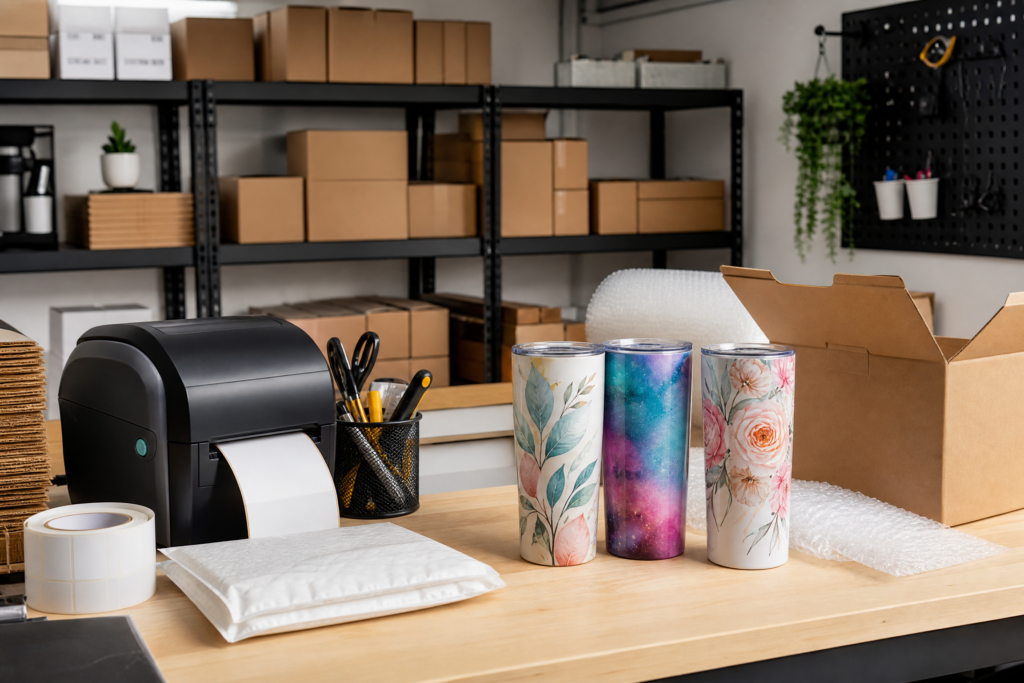
The Efficiency Engine
Invest in a dedicated shipping station. A thermal label printer and a subscription to Pirate Ship or ShipStation will save you hours of tedious work every week. And remember, the “unboxing experience” is your best marketing tool. A handwritten thank-you note or a pretty piece of tissue paper turns a customer into a fan.
The Power of B2B
While Etsy is great, B2B (Business-to-Business) sales are your path to $10k months. Reach out to local real estate agents for “Home Closing Gifts” or local gyms for “Member of the Month” tumblers. These are bulk orders that you can fulfill quickly, giving you a massive boost in revenue.

8. The Modern Design Workflow: Working Smarter
In 2026, your design process should be a well-oiled machine.
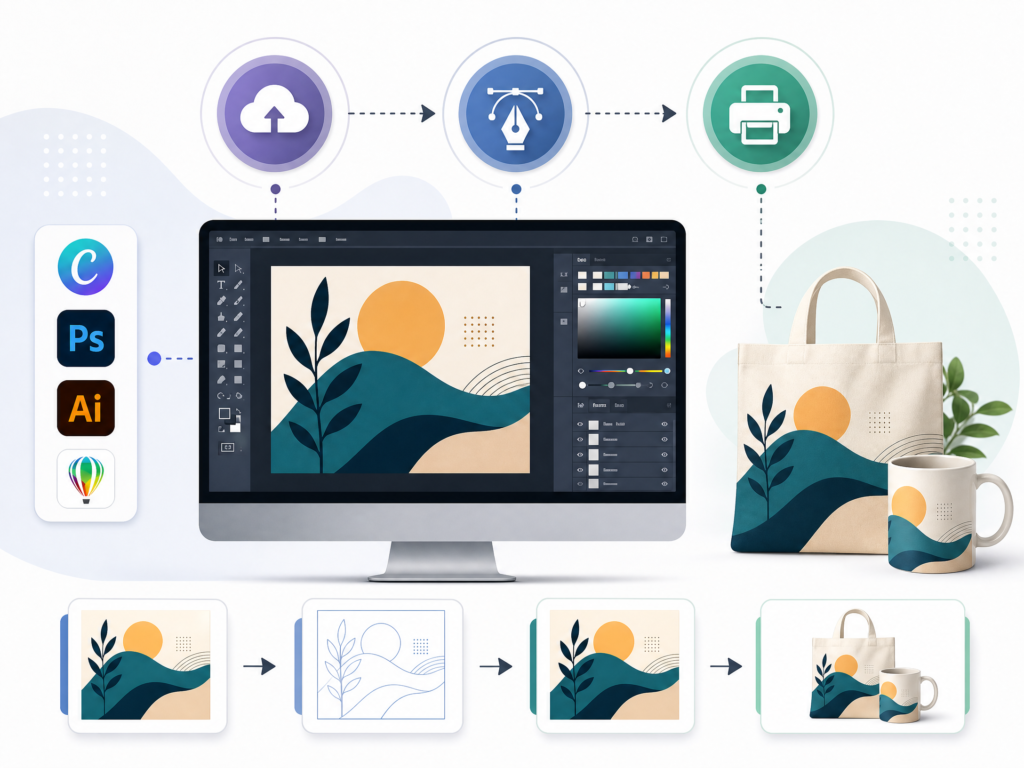
Don’t spend hours on every single design. Use high-quality templates and our free summer sublimation designs to build a solid base. Then, use AI tools to create unique patterns and textures that set your work apart from the generic clipart found elsewhere.
9. Viral Marketing: The “Reveal” Strategy
You are not just a printer; you are a storyteller. In 2026, the best way to drive traffic is through short-form video.
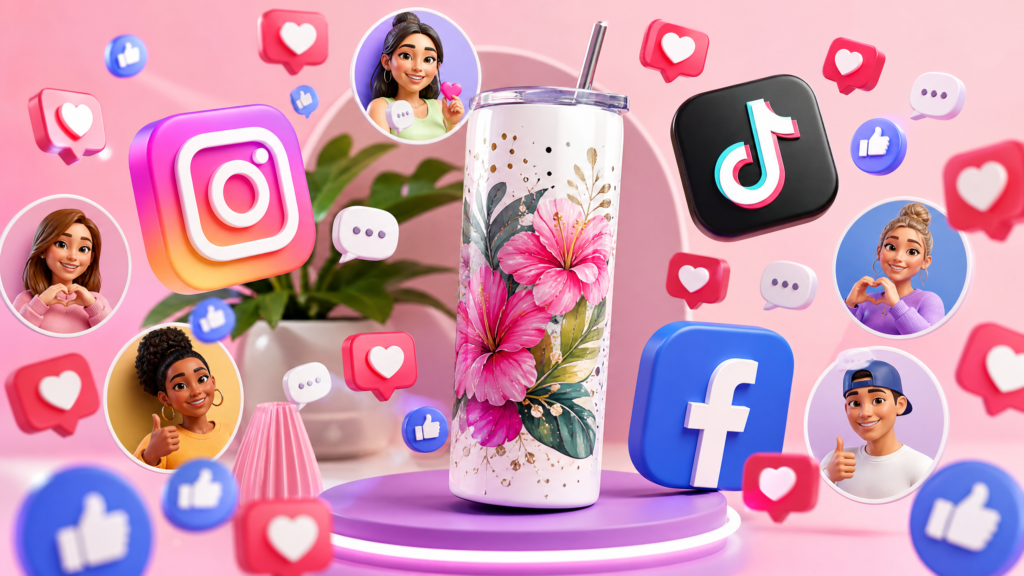
TikTok and Instagram Reels are built for sublimation. The “peel and reveal” video—where you remove the paper to show a vibrant design underneath—is pure viral gold. It builds trust, shows your process, and justifies your premium pricing. People love to see the work that goes into their personalized gifts.
10. Frequently Asked Questions (The Human Version)
“Is it really too late to start?”
Not at all. The “generic” market is full, but the world is hungry for niche, high-quality, personalized art. If you have a unique voice and a focus on quality, there is a seat at the table for you.
“What if I mess up a blank?”
You will. We all do! Factor a 10% “spoilage rate” into your pricing. A ruined mug isn’t a failure; it’s a tuition payment to the University of Sublimation.
“How do I stand out on Etsy?”
Don’t compete on price. Compete on Branding. Tell your story, use professional photos, and offer a level of personalization that the big “print-on-demand” shops can’t touch.
11. Final Thoughts: Your Creative Empire Awaits
Starting a sublimation business in 2026 is a journey of courage and creativity. It’s about taking a digital dream and turning it into something someone can hold in their hands.
It won’t always be easy. There will be blurry prints and long nights at the heat press. But there will also be the joy of a customer’s review, the excitement of your first bulk order, and the freedom of building something that is truly yours.
If you’re ready to take the first step, our sublimation for beginners guide is waiting for you.
Take the leap. Your future self is already cheering you on.
12. Your First 30 Days: A Gentle Roadmap to Your First Sale
Starting a business can feel like staring at a mountain. It’s huge, it’s intimidating, and you’re not sure where to put your foot first. Let’s break that mountain down into small, manageable steps. Your first 30 days isn’t about being perfect; it’s about being consistent.
Week 1: The Discovery Phase
This is your time to be a student.
•Research Your Niche: Spend time on Etsy and Pinterest. Don’t look at what everyone is selling; look for what people are asking for. Read the one-star reviews of big shops—that is where you will find the gaps you can fill.
•Order Your Gear: Based on your budget, get your printer and press. While you wait for shipping, start playing with Canva or Photopea. Get comfortable with the tools of your trade.
Week 2: The “Tuition” Phase
This is where you make your first mess.
•Test, Test, Test: Press your first 10 items. Don’t worry about selling them yet. These are your “learning blanks.” Test different temperatures, different pressures, and different papers.
•Find Your “Recipe”: Every environment is different. If your spare room is humid, you might need a longer pre-press. Document everything in your Press Journal.
Week 3: The Creation Phase
Now, we start building your brand.
•Design Your First Collection: Pick 5–10 designs within your niche. Use our free summer sublimation designs to get a head start.
•Photography is Everything: You don’t need a fancy camera—a modern smartphone and good natural light are enough. Take photos that tell a story. Show the mug on a cozy desk next to a steaming cup of coffee. Show the tumbler being held by a smiling person.
Week 4: The Launch Phase
It’s time to tell the world.
•Open Your Shop: Whether it’s Etsy or a local Facebook group, get your items listed. Don’t overthink the descriptions—just be honest, helpful, and human.
•Post Your First “Reveal”: Film a quick TikTok or Reel of you peeling the paper off your favorite design. Use trending audio and relevant hashtags.
•Celebrate the Small Wins: Your first “Like,” your first “Favorite,” and especially your first sale. These are the milestones that build your momentum.
13. Mastering the Platforms: Where Should Your Business Live?
In 2026, you have more choices than ever for where to sell. But each platform has its own “personality.” Choosing the right one for your style is key to avoiding burnout.
Etsy: The “Gift Shop” of the Internet
Etsy is the most common starting point for a reason: the customers are already there. They are specifically looking for “personalized” and “handmade.”
•The Human Factor: Etsy customers value communication. They want to know there is a real person behind the screen.
•The Strategy: Focus on SEO (Search Engine Optimization). Use all 13 tags, write clear titles, and make sure your first photo is a “scroll-stopper.”
Shopify: Your Own Digital Boutique
Once you have a following, Shopify is where you build your long-term empire. You own the customer data, you have no platform fees, and you have total control over the design.
•The Human Factor: Your Shopify site is your chance to tell your “Why.” Why did you start this business? What makes your products special?
•The Strategy: Use email marketing. When someone buys from you once, they are 5x more likely to buy again if you stay in touch with helpful, friendly updates.
TikTok Shop: The “Live” Revolution
If you love being on camera and showing your process, TikTok Shop is a powerhouse in 2026.
•The Human Factor: It’s raw, it’s real, and it’s immediate. People love to buy from someone they feel they “know” through their videos.
•The Strategy: Go live! Show yourself pressing orders in real-time. Answer questions, show your mistakes, and let people see the human side of your business.
14. The “Mental Game”: Staying Inspired and Avoiding Burnout
Let’s be real for a moment. Running a business is hard. There will be days when the printer clogs, the shipping is delayed, and you feel like an imposter. This is completely normal.
Dealing with Imposter Syndrome
Every expert was once a beginner. If you feel like you don’t know enough, remember that you only need to be one step ahead of your customer to provide value. Your unique creative voice is something no one else can replicate.
Avoiding the “Comparison Trap”
It’s easy to look at a shop with 50,000 sales and feel like you’ll never get there. But remember: you are seeing their “Chapter 20” while you are on “Chapter 1.” Focus on your own growth, celebrate your own wins, and stay in your own lane.
The Power of Community
Don’t build your business in a vacuum. Join local maker groups, participate in online forums, and find a “biz bestie” who understands the specific struggles of the sublimation world. Sharing a win with someone who gets it is one of the best parts of this journey.
15. Crafting with a Conscience: Sustainability in 2026
In 2026, being “eco-friendly” isn’t just a trend; it’s a value that many of your customers hold dear. Positioning your business as a sustainable choice can build a deeper human connection with your buyers.
Choosing “Kind” Blanks
•Recycled Polyester: Many of the top apparel blanks are now made from 100% recycled plastic bottles. These garments sublimate beautifully and give you a great story to tell.
•BPA-Free & Lead-Free: When selling drinkware, ensure your coatings are safe and certified. Mentioning this in your product descriptions shows that you care about your customers’ health and well-being.
Minimizing Your Footprint
Sublimation is naturally a “low-waste” process, but you can go even further.
•”Ganging” Your Prints: Instead of printing one design in the middle of a sheet, fill every corner with small keychain or ornament designs. It saves paper, saves ink, and reduces waste.
•Eco-Friendly Packaging: Switch to compostable mailers or recycled cardboard boxes. Use paper-based tape instead of plastic. These small touches show that your business cares about the planet as much as it cares about its customers.
16. The B2B Blueprint: How to Land Your First Bulk Order
While selling one mug at a time is rewarding, landing a B2B (Business-to-Business) order is like a shot of adrenaline for your bank account. It’s about building relationships with other local entrepreneurs.
The “Sample Kit” Strategy
Don’t just send a cold email. Put a physical product in their hands.
1.Identify a Target: Look for a local coffee shop, a real estate agency, or a boutique gym.
2.Create a Custom Sample: Print their logo on a premium matte-finish tumbler or a high-quality tote bag.
3.The Human Approach: Drop it off in person (if local) or send it with a friendly note: “I love what you’re doing with [Business Name], and I wanted to send you a little something to show my appreciation. If you ever need high-quality branded gear, I’d love to help!”
Why Businesses Love Sublimation
Remind them that sublimation is permanent. Unlike the cheap “printed” mugs they might find elsewhere, your designs won’t wash off in the industrial dishwasher. That durability is a huge selling point for busy business owners.
17. The “Unboxing” Magic: Creating a Moment of Connection
In the digital age, the moment a customer opens your package is the only physical interaction they have with your brand. Make it count.
The “Five Senses” of Unboxing
•Sight: Use pretty tissue paper or a custom-branded sticker.
•Touch: A high-quality, sturdy shipping box protects the item and feels premium.
•Sound: The satisfyng “crinkle” of nice wrapping paper.
•Smell: A tiny spritz of a clean, pleasant scent on the packaging insert (optional but memorable!).
•The Heart: A handwritten “Thank You” note. Even just a “Thanks, Sarah! Hope you love it!” goes a long way in building a human connection.
18. Your 2026 Seasonal Success Calendar
Preparation is the key to a stress-free business. Use this calendar to stay ahead of the game.
| Month | Focus Niche | Key Action Step |
| January | Fitness & Organization | Focus on custom water bottles and desk organizers. |
| February | Valentine’s & Love | Promote personalized “Couple Mugs” and memorial slates. |
| March/April | Graduation & Teachers | Start your nurse tumbler wrap and teacher gift campaigns. |
| May/June | Weddings & Summer | Promote bridal party bundles and summer sublimation designs. |
| July/August | Back to School | Focus on personalized pencil cases and lunch bags. |
| September | The Q4 Warm-up | Stock up on mug and ornament blanks. Supply chains slow down now! |
| October | Halloween & Fall | Create “spooky” collections and film your holiday process videos. |
| November | Black Friday Blitz | Offer “VIP” early access to your email list. |
| December | The Final Push | Clearly communicate shipping cut-offs for Christmas delivery. |
19. Final Words of Encouragement: You’ve Got This!
If you’ve made it to the end of this massive guide, you already have more knowledge than 90% of the people starting out today. You have the technical foundation, the financial roadmap, and the marketing strategy to succeed.
But more than that, you have a unique creative spark. There is a customer out there right now who is looking for exactly what you can create. They aren’t looking for a generic product; they are looking for the care, the quality, and the human touch that only a dedicated maker like you can provide.
The journey won’t always be perfect. You will ruin some blanks. You will have slow days. But you will also have those moments where everything clicks—the design is perfect, the press is flawless, and the customer’s reaction is pure joy.
That is the heart of the hustle.
Go forth, create something beautiful, and build the life you’ve always dreamed of. Your first press is waiting.


One Comment